
We restore
Since 1996 members have re-rendered the tower, rebuilt the gallery handrail, returned the 1870 Fresnel lens to its pedestal and rewired the lantern room for its low-voltage lamp.
Kurnell · Kamay Botany Bay National Park
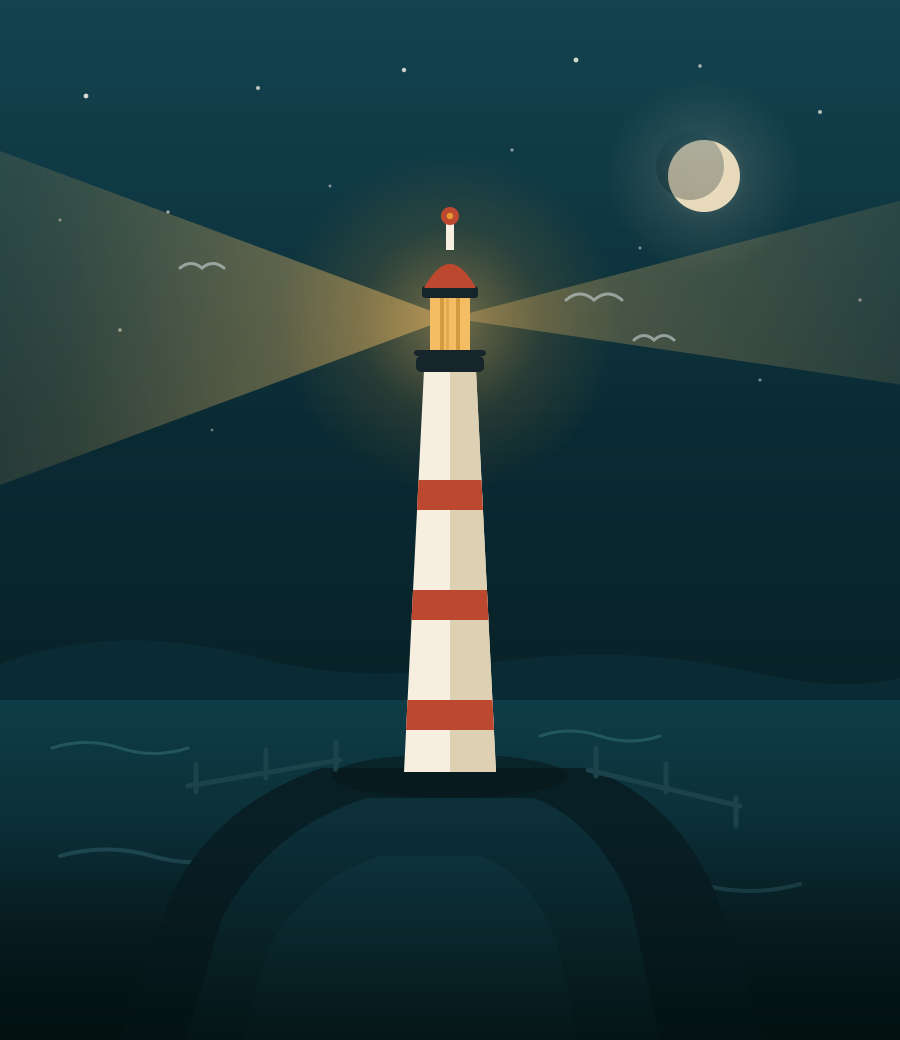
The 1871 lighthouse at the end of the Kurnell peninsula stood dark for forty years. A volunteer society relit it, reopened the tower, and now hands the lamp room keys to visitors six days a week.
Who we are
We are an incorporated volunteer association, not a government agency and not a theme park. Everything you see inside the tower — the paint, the brass, the wiring, the labels in the museum — was done by members on weekends.
Since 1996 members have re-rendered the tower, rebuilt the gallery handrail, returned the 1870 Fresnel lens to its pedestal and rewired the lantern room for its low-voltage lamp.
The light is no longer a navigation aid, but a keeper logs the weather, the sea state and anything adrift in the bay every day the tower is open. The evening watch continues after the gates close.
The keeper’s residence holds our museum: original plans, the logbooks, the oil-room tools and the letters written home by the men who ran the light. Guided tower tours leave every half hour.
A lighthouse is not a monument to the past. It is a promise that someone, somewhere, is still awake. Founding charter of the Society, adopted 1996
Our history
From a kerosene flame tended by a resident keeper to a lantern room handed over to the public, the tower has been lit, darkened and lit again.
A second-order Fresnel lens — a drum of hand-cut glass prisms over a metre across — is shipped out and assembled on site. It is still the centrepiece of the museum bench.
The keeper trims the wick and the light is shown for the first time, guiding ships toward the entrance of Botany Bay.
The kerosene apparatus is replaced with an electric lamp. The last resident keeper retires a decade later.
An automated beacon at the entrance to the bay makes the tower redundant. The lamp is extinguished and the door is locked.
Vandalised, water-damaged and fenced off, the tower is declared unsafe. Few expect it to survive.
Sixty-one residents and two retired lightkeepers sign the founding charter. The first working bee clears a decade of graffiti and pigeons from the stairwell.
The cottage is reroofed, and the Society opens the collection of plans, logbooks and tools to the public for the first time.
After a five-year campaign, the gallery handrail, glazing and roof vents are replaced. The lantern is relit for heritage open days.
A seasonal evening programme begins, taking twelve visitors at a time to see the lamp and the whale migration by starlight.
Stonework, lens conservation and solar power are in progress. Our next milestone is a fully glazed gallery open to all visitors.
Tours & prices
Tower access is guided only and weather-dependent; the museum is open to all. Bookings are taken by phone or email and confirmed the same day.
Most booked
Climb the cast-iron stairs to the lantern room with a volunteer keeper, past the original oil room and the 1932 switchboard.
$12adult · $8 concession
Included with entry
Self-guided, in the restored keeper’s residence. Original plans, logbooks, the oil-room tools and the letters the keepers wrote home.
Freedonation suggested
Seasonal
An evening climb, April to September, to see the lamp lit at dusk and look for humpbacks on the winter migration with the keepers’ binoculars.
$26all tickets
| Ticket | Notes | Price |
|---|---|---|
| Adult | Tower tour, 45 minutes | $12.00 |
| Concession & student | Seniors, students, health-card holders | $8.00 |
| Child (5–15 years) | Under 5 free; must be accompanied | $8.00 |
| Family | Two adults and two children | $30.00 |
| School group | Per student, minimum 15 students | $6.00 |
| Night watch | April–September, bookings essential | $26.00 |
| Society members | All tours and the museum | Free |
The lighthouse
The structure is modest by the standards of the great lights, and that is the point: this is a working headland tower, built to be manned, not celebrated.
Construction began in 1869 on a sandstone plinth cut from the headland itself. The rendered masonry tower was completed in 1871 and painted in the broad red bands that let mariners pick it out against the grey sea.
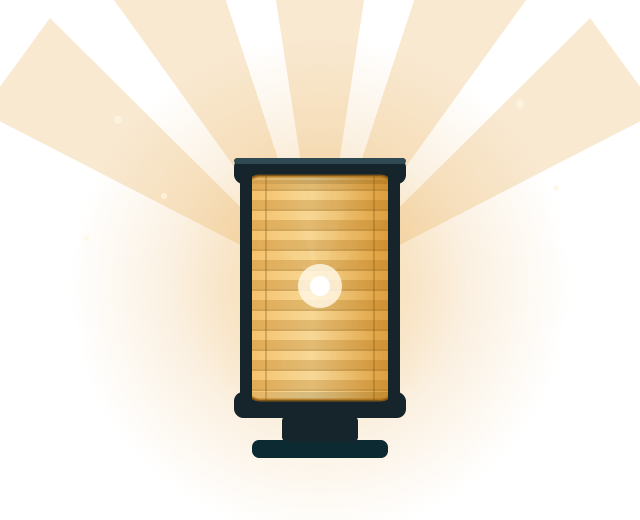
The optic is the reason engineers still visit. A second-order Fresnel lens of 1870 concentrates the lamp into a beam that was said to reach eighteen nautical miles in clear weather.
Restoration
Every figure below is reported to members at the quarterly meeting. Percentages are the share of the agreed scope of works completed, not a wishlist.
Completed March 2023: graded path from the car park and a compliant handrail to the tower door.
Six of seven storm panes replaced; the last is on order from a specialist glazier.
Two elevations re-rendered; the salt-damaged south face is next, when the weather allows.
Roof and floors done; display joinery and climate control for the logbooks remain.
The lamp and emergency lighting now run on a 6 kW array; the fire panel upgrade is funded and booked.
Cleaning and re-bedding the prisms under a conservation plan; cracks in three prisms are documented and stable.
From the visitors’ book
I came up on a school excursion in 1998 and I have been carrying a paint scraper up those stairs ever since. The view never stops being worth the climb.
My grandmother used to watch this light from a fishing boat off Kurnell. Standing in the lantern room closed a loop I did not know was open.
The night watch is the quietest, best hour in Sydney. You hear the sea, you hear the lamp, and then somebody spots a whale.
Plan your visit
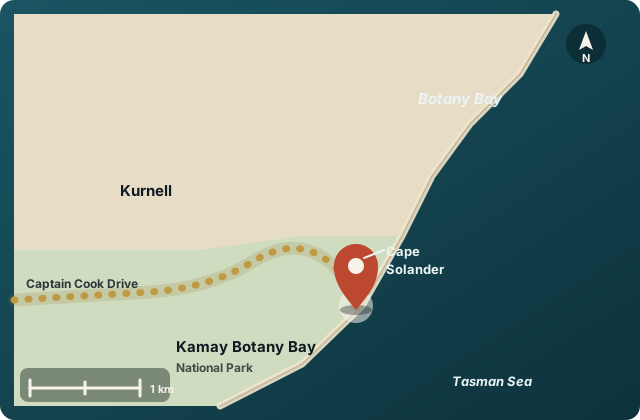
We sit inside Kamay Botany Bay National Park at Kurnell, about 45 minutes’ drive south of the Sydney CBD. Parking is free and the lighthouse is a short walk from the whale-watching platform.
Museum is step-free
Tower reached by stairs only
By car: take Captain Cook Drive to the end of the peninsula. By bus: route 987 stops at Kurnell village, then a 3 km walk along the shared path. The site is managed jointly with NSW National Parks.
Membership
Members vote at the annual meeting, get free tower access all year, and receive the printed Watch Log four times a year. Every dollar is spent on the tower.
$45/year
$120/year
$750once
Support the light
We have no paid staff. A gift of $50 re-renders a square metre of tower; $250 pays for a storm pane on the lantern gallery. If you would rather give time than money, the working bees run on the first Saturday of the month and the training is free.
Published in the annual accounts, audited by members each August.
Questions
Booking is recommended in school holidays and essential for the night watch. At quiet times you can usually join the next half-hourly tour by turning up at the museum desk. To book, call (02) 9668 0412 or email tours@capesolanderlight.org.au; we confirm the same day.
The keeper’s museum, the courtyard and the path from the car park are step-free and wheelchair accessible, with an accessible toilet on site. The tower itself is reached only by 72 narrow cast-iron steps and is not suitable for wheelchairs or large mobility devices. A video of the lantern room view plays in the museum for anyone who cannot make the climb.
The gallery closes in high wind, electrical storms or heavy rain because it is open to the weather. The museum stays open, tower tickets are refunded or held for another day, and we will phone you if a booking is affected.
Yes. Children aged 5 and over are welcome on tower tours but must be accompanied by an adult, and one adult may bring at most two children up the stairs. Under-fives are welcome in the museum, which has a small discovery table of brass fittings and charts.
Drones are not permitted anywhere on the headland, as Cape Solander sits inside a national park and under a coastal flight path. Handheld photography for personal use is welcome and tripods are fine in the courtyard, but please do not block the stairway. Commercial shoots need written permission from NSW National Parks.
Assistance dogs are always welcome. Other dogs are not permitted inside the tower or the museum, and national-park rules require them to be on a lead on the surrounding tracks.
Email volunteer@capesolanderlight.org.au or introduce yourself at a working bee on the first Saturday of the month. No experience is needed; new volunteers do an induction, a safety briefing and two sessions shadowing a keeper before taking a tour alone.